My Blog

Author name: aarju

pre workout and post workout meals
Uncategorized

Pre Workout and Post Workout Meals: What to Eat & When

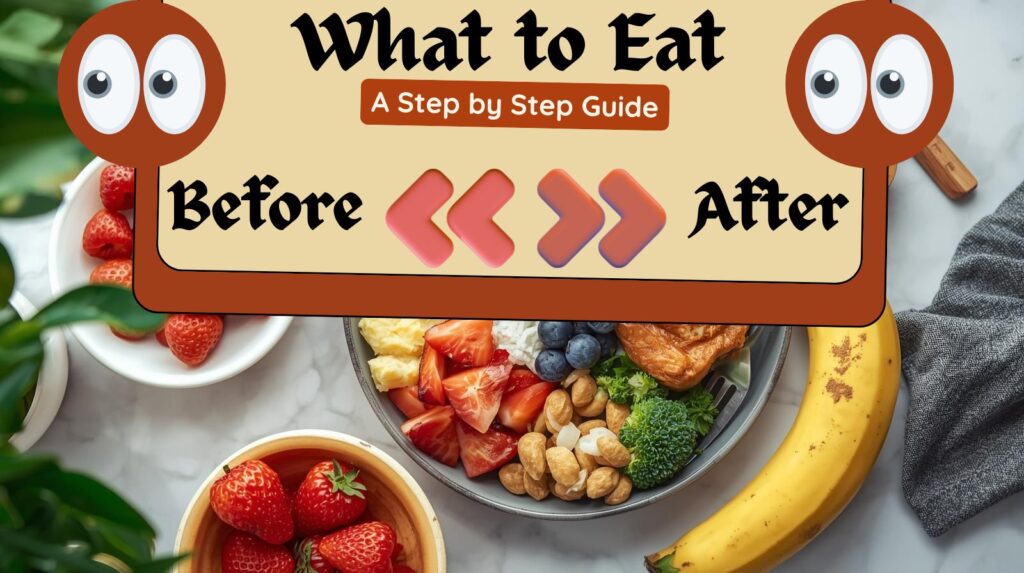
As a fitness trainer, one thing I see mostly  every day is people working out hard but not eating right . Many train consistently, yet results are slow — not because of poor workouts, but because they ignore pre workout & post workout meals. In this blog, I’ll explain what to eat before and after a workout, when to eat, and how the right food can improve energy, recovery, muscle growth  and fat loss. Everything here is based on real training experience, not complicated readers. To more information whose relate to your fitness ,contact me : gymathomenow.in Why pre workout and post workout meals are important ? Your body needs fuel before training and nutrients after training.Pre workout and post workout meals decide how effective your training session really is. What you eat before exercise sets the tone for your workout—your stamina, focus, and overall output depend on it. Walking into a workout without proper nutrition often leads to weak sessions, poor form, and inconsistent performance. Post workout meals determine what your body does with the effort you put in. Training creates stress inside the body, and food after exercise tells the body how to respond to that stress. The right post workout meal supports rebuilding, reduces excessive soreness, and prepares you for your next workout. When pre workout and post workout meals are planned correctly, workouts feel smoother, progress stays consistent, and results show up faster over time. From my experience training beginners to advanced clients: Without proper pre workout and post workout meals, energy feels low Recovery becomes slow Fat loss and muscle gain take longer   What Are Pre Workout Meals? Pre workout meals are foods you eat 30 to 120 minutes before exercise. These meals prepare your body for training.Eating the right pre workout food can make a huge difference in how strong and focused you feel during your workout. What Should a Good Pre Workout Meal Include? From years of training clients, I recommend: Carbohydrates → for energy Protein → to protect muscles Low fat & low fiber → easy digestion   Best vegetarian Pre Workout Meal options As a trainer, I always tell my clients: a good vegetarian pre-workout meal should give quick energy, steady strength, and easy digestion, and your workout strong from start to finish.  Banana with peanut butter Apple with soaked almonds Wheat toast with peanut butter Fruit smoothie with milk Oats with milk or curd How long should you eat ? If you manage too long without eating, strength and focus drop. Timing your food correctly keeps energy high and performance strong. Depends on the meal size: Heavy meal →  2 hours before workout Light snack →  30–45 minutes before workout  Is it okay to exercise without eating? Yes , it  is not for everyone. Some people feel okay doing fasted cardio Many lose strength and feel tired. What Are Post Workout Meals? Post workout meals are foods you eat within 30–60 minutes after training.  After training, your muscles are tired, energy stores are low, and the body needs the right nutrients to recover and grow stronger. Both combination prepares your body for the next workout. What should a good Post Workout Meal include? A post workout meal should have: Protein → muscle repair Carbohydrates → energy recovery Water → hydration   Best Vegetarian Post Workout Meal Options A vegetarian post-workout meal plays a key role in muscle recovery and overall progress. After training, the body needs quality nutrients to repair muscle fibers and restore lost energy. A balanced vegetarian meal rich in protein and carbohydrates helps rebuild strength, and refill glycogen levels. Foods like paneer, dal, tofu, yogurt, and whole grains provide clean, effective nutrition that supports faster recovery. Effective vegetarian choices: Paneer with roti or rice Dal with rice or roti Curd with fruits Milk with banana Common mistakes I see as a Trainer From my  experience, avoid these: Skipping meals after workout Eating junk food after  training Overeating heavy food before workout Ignoring water intake   Final Trainer advice As a trainer, my simple advice is this: pre workout and post workout meals are just as important as your training. Pre workout meals give your body the energy it needs to perform better, lift stronger, and stay focused during exercise. Without proper fuel before training, workouts feel harder and results come slower. Post workout meals help your body recover, repair muscles, and rebuild strength after training. Skipping post workout meals can slow progress, no matter how hard you train.When you follow proper pre workout and post workout meals consistently, your workouts improve, recovery gets faster, and results become visible over time  This is not only a blog , based on my experience and its work with consistency and trust .   And for more information : gymathomenow.in
morning workout
Uncategorized

Boost Mood & Fitness With a Morning Workout

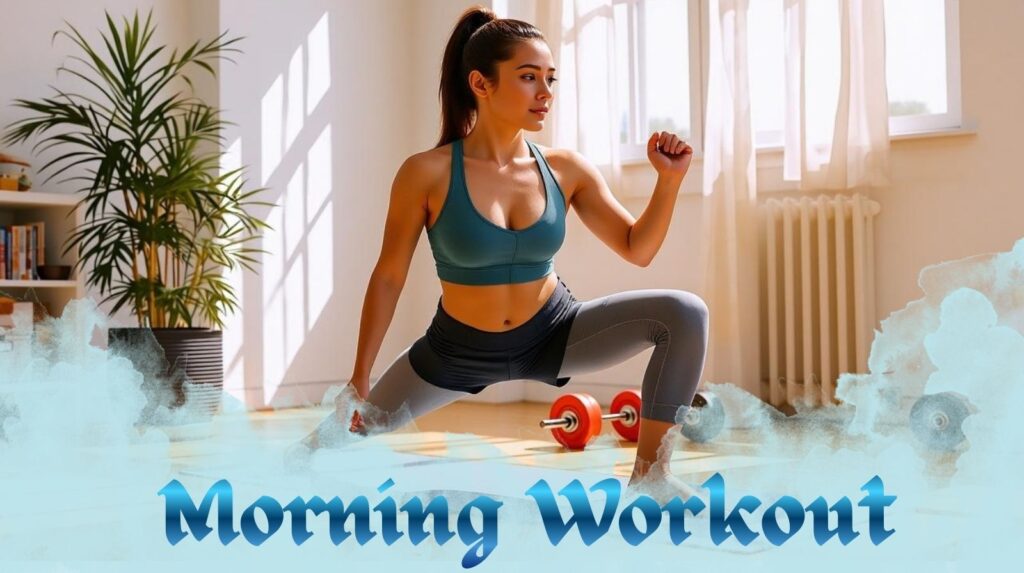
Boost Mood & Fitness With a Morning Workout — Expert Guide by Gym at Home A morning workout is one of the most effective ways to elevate your health, sharpen your focus, and optimize your daily performance. As a fitness expert, I can confidently say that what you do in the first hour of your day directly impacts your energy, metabolism, and mental clarity for the next 12–14 hours. Most people think morning exercise is only about burning calories—but at Gym at Home, we teach that it’s much more than that. A structured morning fitness routine creates discipline, resets your hormones, activates major muscle groups, and accelerates fat-loss pathways throughout the day. Why a Morning Workout Works Better ? If you truly want your body to perform at its peak, a morning workout is the most strategic choice. Here’s why: 1. Your Hormones Are Primed for Exercise Cortisol is naturally highest in the morning. This improves alertness, fat utilization, and workout efficiency. Testosterone levels peak early, supporting better strength gains and muscle performance. 2. Enhanced Metabolic Activation A strong morning exercise routine increases EPOC (Excess Post-Exercise Oxygen Consumption), meaning your body burns additional calories for up to 24 hours. 3. Faster Fat Burning in the Morning During the early hours, glycogen stores are lower—allowing the body to burn stored fat more efficiently. 4. Neurological Benefits A quality morning workout improves: Cognitive speed Concentration Motivation Mood stability These benefits significantly enhance productivity at work or school. 5. Strong Habit Formation Early morning is the most distraction-free time of day—ideal for building lifelong healthy habits. Morning Workout Routine 1. Morning Mobility & Activation (5 Minutes) Perform each movement for 45 seconds: Cat-Cow Hip flexor opener Shoulder rotation flow Ankle mobility circles Spinal twist stretch 2. Morning Metabolic Circuit (10 Minutes) Repeat 3 rounds with 30 seconds rest between rounds. High knees Jumping jacks Mountain climbers 3. Strength & Conditioning Block (10 Minutes) Complete 2 rounds: Push-Ups – 12–15 reps Air Squats – 15–20 reps Reverse Lunges – 12 reps each leg Plank Hold – 45–60 seconds Glute Bridges – 20 reps 4. Cooldown & Recovery (3–5 Minutes) Forward fold Hamstring stretch Calf stretch Breathing reset What to Eat Before & After a Morning Workout ? Before workout (optional): Banana Black coffee Nuts Smoothie After workout: Eggs Oats Protein shake Yogurt bowl Fruit + peanut butter Tips to Stay Consistent With Your Morning Workout Sleep 7–8 hours nightly Drink 300–400 ml water after waking Use sunlight exposure for faster wake-up Keep your workout clothes ready Start with 10 minutes and increase gradually Follow a simple morning workout plan Track progress weekly Morning Workout Mistakes to Avoid Training without warming up Skipping cooldown No hydration  Inconsistent routine Expected Results Timeline Week 1-2 Better mood Improved energy Reduced stiffness Week 3–4 Visible fat loss Increased strength Better endurance Week 5–8 Improved body shape Faster metabolism Strong habit foundation   Final Thoughts A morning workout is one of the smartest, most effective lifestyle decisions you can make. It resets your metabolism, boosts brain function, tones muscles, and builds tremendous discipline. With a structured routine like the ones designed by Gym at Home, transforming your body becomes simpler, more efficient, and more enjoyable. What to eat before a morning workout? Eat light, quick-digesting foods like a banana, dates, nuts, yogurt, or a small peanut-butter toast. If you prefer fasted training, you can just have water or black coffee before your workout.   Can I drink coffee before my morning workout? Yes. It improves performance and fat oxidation. Should beginners start with morning workouts? Absolutely. It builds discipline and boosts energy.

stress management
Uncategorized

Effective Stress Management Techniques for Daily Life

In today’s fast-paced world, stress has become a part of everyday life. Whether it’s workload, financial pressure, relationship challenges, or lifestyle imbalance, stress can affect your physical health, mental clarity, and emotional stability. That’s why understanding stress management is essential for maintaining long-term health and overall wellness. This guide covers practical, science-backed strategies that help you stay calm, focused, and emotionally balanced—even on the toughest days.  To gain more information related to your health : Contact me  What Is Stress Management? Stress management is a set of techniques that help you control physical, emotional, and mental tension. It involves identifying stress triggers and using healthy coping strategies to restore balance in your daily life. Instead of avoiding stress, effective management helps you respond to it in a healthier, more controlled way. Why Is Stress Management Important? Unmanaged stress can lead to : Weak immune system Poor sleep quality Headaches and fatigue Emotional burnout Common Causes of Stress Work pressure and deadlines Relationship problems Financial struggles Lack of sleep Health issues Digital overload Lifestyle imbalance Lack of support system How Stress Affects Your Body and Mind Physical Effects Headaches and migraines Fatigue Insomnia High blood pressure Weakened immune system Mental and Emotional Effects  Anxiety Irritability Difficulty concentrating Mood swings Lack of motivation Muscle tension   Best Stress Management Techniques: 1. Deep Breathing Exercises Deep breathing signals your nervous system to relax. Try these methods: 4-7-8 breathing Box breathing Diaphragmatic breathing 2. Meditation & Mindfulness Practice Meditation helps you stay aware, calm, and balanced.You can try: Mindfulness meditation Guided audio meditation Body scanning Thought observationv 3. Regular Physical Exercise Exercise releases endorphins—your body’s natural “happy hormones.” Best exercises for stress relief: Walking or jogging Yoga Cycling Strength training Dance workouts Stretching routines 4. Improve Your Sleep Routine Poor sleep increases stress sensitivity. Tips for better sleep: Set fixed sleeping hours Keep your room dark and cool Avoid phones 1 hour before sleep Try calming music or sleep meditation 5. Build a Healthy Diet for Stress Control Your brain works better with the right nutrients. Foods that reduce stress: Nuts and seeds Green leafy vegetables Fruits rich in antioxidants Oats and whole grains Green tea Dark chocolate (in moderation) 6. Time Management & Setting Boundaries Good time planning reduces pressure. Helpful habits: Make a daily to-do list Focus on important tasks first Break big tasks into small steps Learn to say No Reduce multitasking 7. Positive Social Support Spending time with supportive people reduces emotional tension. Ways to build support: Talk to friends or family Join community groups Seek professional therapy if needed 8. Relaxation Techniques for Daily Life Simple relaxation exercises can calm your mind. Try: Aromatherapy Warm baths Listening to calming music Practicing gratitude Progressive muscle relaxation Spending time in nature Daily Stress Management Routine Morning 10-minute meditation Healthy breakfast Light stretching Afternoon Take small breaks between tasks Practice deep breathing Drink enough water Evening Go for a walk Journal your thoughts Spend quality time with loved ones Night No screens 1 hour before bed Relaxation music Gratitude writing Sleep on time Final Conclusion Stress management is not a one-time practice—it’s a lifelong habit that helps you stay mentally strong, emotionally stable, and physically healthy. By combining healthy lifestyle choices, relaxation methods, mindfulness, and proper time management, you can significantly reduce stress and reclaim control over your life.                                                                                       Start small today. Improve one habit every week. Over time, you’ll experience more peace, clarity, energy, and happiness. Follow my new page : stress management

lose belly fat
Uncategorized

Lose Belly Fat Fast at Home: Easy Beginner Exercises

Lose Belly Fat Fast at Home: Complete Beginner Guide Losing belly fat is one of the most common fitness goals, and the good news is—you don’t need a gym or equipment to get results. With the right exercises, consistent routine, and small lifestyle changes, anyone can lose belly fat naturally at home. This guide covers effective workouts, diet tips, causes of belly fat, best routines, mistakes to avoid, and beginner-friendly steps. To gain more information follow my Weight loss page  What Exactly Is Belly Fat? Belly fat is stored around the abdomen in two layers: 1. Subcutaneous Fat Fat stored just under the skin. Easy to burn with workouts and diet. 2. Visceral Fat Fat stored around internal organs—dangerous and harder to eliminate.It increases the risk of: High blood pressure Heart disease Diabetes Low metabolism Belly fat becomes stubborn due to hormonal imbalance, stress, poor diet, lack of movement, and slow metabolism. Fixing these factors helps you reduce fat faster. What Causes Belly Fat? Understanding the root cause helps you fix it faster. High-calorie diet Stress & cortisol spikes Sitting too long Lack of physical activity Poor sleep schedule Sugary & processed food Best Exercises to Lose Belly Fat at Home 1. Marching in Place (Warm-Up – 2 Minutes) Light movement boosts heart rate and prepares the body. How to do:Lift knees one by one, swing arms gently. 2. Standing Side Bends Great for reducing side fat and engaging oblique muscles. Steps:Stand tall → bend right → return → repeat left. 3. Plank Hold (20–30 Seconds) A core-strengthening staple that burns major calories. Benefits:Tones stomach, reduces lower belly fat, builds stability. 4. Crunches Targets upper abs and helps flatten the stomach. Steps:Lie down → bend knees → lift shoulders → squeeze core. 5. Leg Raises Best exercise to reduce lower belly fat. Steps:Lie flat → lift legs straight up → lower slowly without touching the floor. 6. Mountain Climbers A high-intensity move that burns fat quickly. Why it works:Boosts heart rate, activates full core, accelerates fat loss. 7. Reverse Crunch Effective for targeting stubborn belly fat. Steps:Lift legs → curl hips upward → squeeze lower abs. Lifestyle Tips to Lose Belly Fat Faster Drink 3–4 liters of water :                Water helps digestion & burns calories                                                               naturally.  Add protein to every meal  :            Helps build lean muscle and boost                                                                     metabolism. Avoid sugar & packaged food :        They trigger fat storage around your                                                                    belly.  Sleep 7–8 hours  :                              Poor sleep = higher cortisol = more fat. Walk 8,000–10,000 steps daily   :     Walking is one of the easiest belly-fat-                                                                burning  activities. Best Diet for Losing Belly Fat Include: Oats, eggs, dal, paneer Green vegetables Fruits like apple, papaya, berries Lemon water Sprouts Nuts & seeds Avoid: Fried foods Soft drinks Sweets White bread Late-night snacking Final Conclusion Losing belly fat is not a one-day miracle—it’s a simple, consistent journey of smart choices. With the right combination of beginner-friendly workouts, clean eating, active lifestyle, and proper sleep, you can reduce belly fat naturally and safely. Every rep strengthens your core, every step improves your metabolism, and every healthy meal brings you closer to a fitter body. Remember, your body responds to consistency, not perfection. Even on slow days, small efforts—like a short walk, a glass of warm water, or a quick stretching session—keep you moving forward. With dedication, you start noticing changes in your waistline, energy levels, and confidence within a few weeks.You deserve a strong, healthy, and confident version of yourself. And the best part? You can achieve it right at home without expensive equipment or complicated routines.                                                                                                                       If you have any query , then Contact me .   What drink helps lose belly fat? Warm lemon water, green tea, jeera water, and ginger water are the best drinks to help lose belly fat by boosting metabolism, reducing bloating, and supporting digestion.     How to lose belly fat fast? You can lose belly fat fast by doing daily core exercises, eating clean low-sugar food, walking 7,000–10,000 steps a day, drinking plenty of water, and sleeping 7–8 hours consistently.      How to lose belly fat without exercising? . You can lose belly fat without exercising by eating a clean, low-sugar diet, reducing processed foods, drinking plenty of water, sleeping 7–8 hours, managing stress, and adding more daily movement like walking or standing often.     

Core Exercises for Back Pain Relief
Uncategorized

Core Exercises for Back Pain Relief

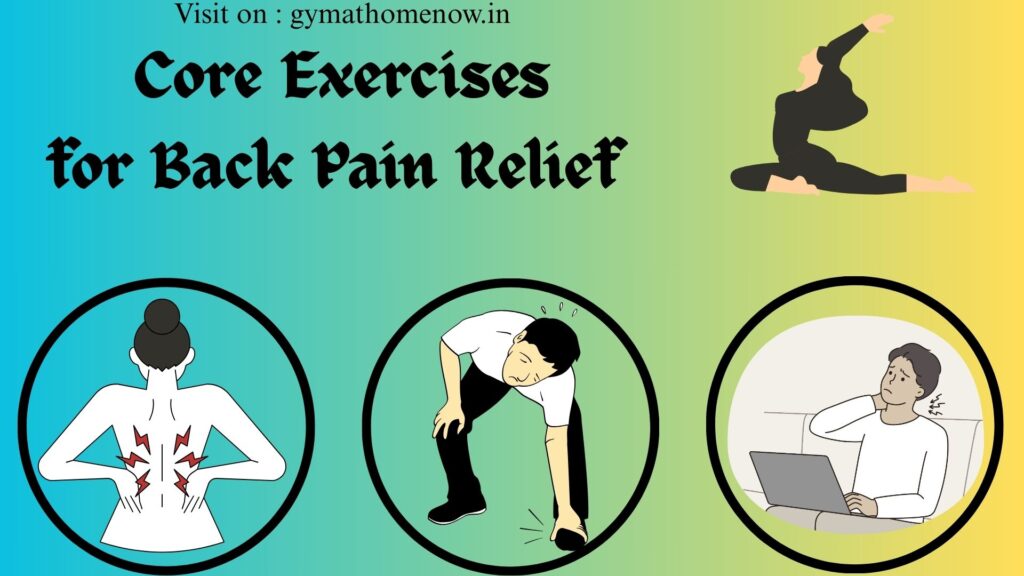
Core Exercises for Back Pain Relief : Strengthen Your Spine & Feel Better Daily Back pain is one of the most common issues people face today, especially if they sit for long hours, work on screens, or have weak core muscles. As a fitness trainer with 10 years of experience, I’ve seen how strengthening the core can dramatically reduce pain, improve posture, and restore daily comfort.                                                                    In this blog, you’ll learn why the core matters, the best exercises for relief, how to perform them safely, and mistakes to avoid. Why Core Strength Helps Back Pain Relief ? Your core is more than just your abs. It includes: The deep abdominal muscles Lower back muscles Obliques Hips and glutes A strong core stabilizes your spine, reduces pressure on the lower back, and prevents muscle imbalances that lead to pain. When these muscles become weak, your back overworks, causing stiffness, discomfort, and chronic pain. Best Core Exercises for Back Pain Relief Dead Bug                                                                                                                                                         This exercise activates deep core muscles that support the spine.             How to do it:                    Lie on your back, knees bent at 90°. Extend one arm and the opposite leg. Keep your lower back flat on the floor. Switch sides. Reps: 10–12 each side                                Bird Dog                                                                                                                                                             This exercise connects your core and lower back muscles. How to do it: Start on all fours. Extend one arm forward and the opposite leg backward. Hold for a second and switch. Reps: 10 each side. Glute Bridge                                                                                                                                                     Weak glutes are a hidden cause of back pain. How to do it: Lie down, bend your knees, feet flat. Raise your hips until your body forms a straight line. Squeeze your glutes at the top. Reps: 15–20 reps. Plank (Low Impact)                                                                                                                                   Planks build strong core muscles without bending the spine.. How to do it: Keep elbows under shoulders. Maintain a straight line from head to heels. Tighten your core and avoid sinking hips. Hold: 20–40 seconds. Cat-Cow Stretch                                                                                                                                                           Loosens the spine and reduces stiffness. How to do it: On all fours, arch your spine upward (cat). Then drop your belly and lift your chest (cow). Move slowly with your breath. Reps: 10–12. Side Plank                                                                                                                                                         Strengthens obliques and stabilizes the lower back. How to do it: Lie on your side, support your body on your elbow. Lift your hips and hold. Hold: 20–30 seconds each side. 10-Minute Core Routine for Back Pain Relief          Follow This Plan                                      Cat-Cow – 1 minute Dead Bug – 12 each side Glute Bridge – 20 reps Bird Dog – 10 each side Side Plank – 20–30 sec each side Modified Plank – 30 seconds Back breathing (deep core activation) – 1 minute Total Time: 10 minute  (3–4 times every week) Extra Tips to Improve Back Pain Faster Take short walks every hour  Keep your shoulders back when sitting  Strengthen glutes 2–3 times per week  Use correct

AI smart workout clothing
Uncategorized

Best AI Smart Workout Clothing for Next-Level Fitness

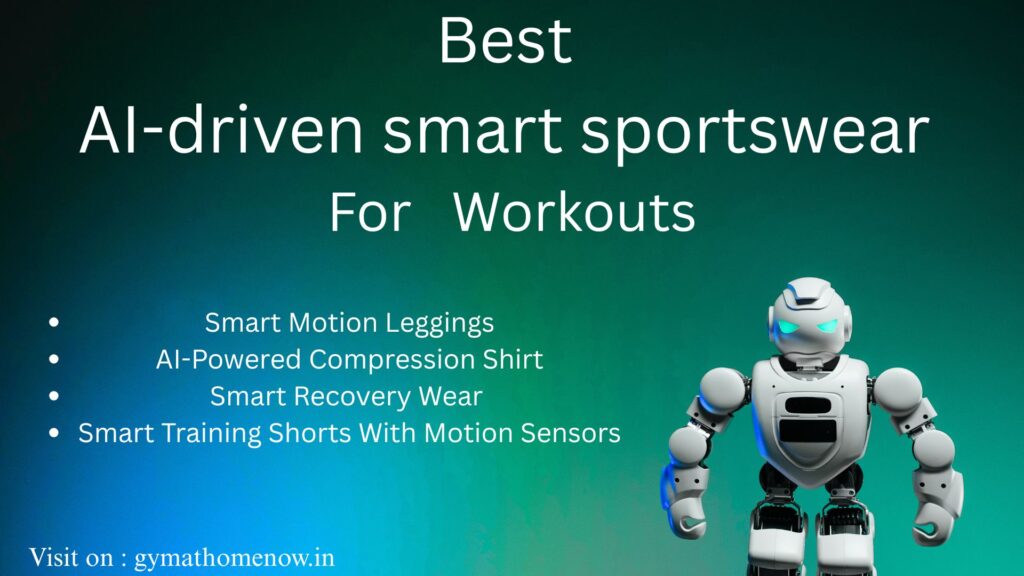
AI-powered activewear is changing the way people train. From real-time posture correction to muscle-activation tracking, smart sportswear is now one of the fastest-growing fitness innovations. If you want more efficient workouts, accurate feedback, and better body awareness, AI-driven fitness clothing can make a big difference. In this guide, you’ll learn how AI smart sportswear works, its benefits, top features to look for, and the best options available today. What Is AI-Driven Smart Sportswear ? AI-driven smart sportswear combines advanced fabrics with embedded sensors and machine learning. These sensors collect data from your movement, posture, muscle engagement, and overall performance.AI algorithms then analyze this data and provide personalized feedback — often through a mobile app.It turns your clothing into a real-time personal coach that helps you perform better and avoid bad form. Why AI-Driven smart sportswear is popular ? People want accurate workout feedback without hiring a trainer or buying expensive machines. AI sportswear gives: Instant corrections for posture and form More efficient workouts based on real performance Better body alignment to reduce injury risk Detailed workout reports Motivation through smart progress tracking It’s like upgrading your workout with technology that listens, learns, and adapts.  To more information follow me – gymathomenow.in Benefits of AI-Driven Smart Sportswear Real-Time Form Correction :   Built-in motion sensors detect your body angles                                                      and guide you to adjust your posture instantly. Personalized Coaching :   AI studies your habits and creates tailored training                                                  suggestions that match your skill level. Muscle Activation Tracking :        Some smart clothes highlight which muscle                                                                         groups are working more or less during each rep. Better Injury Prevention :   Posture alerts and motion analysis help reduce the                                                    chances of strains and poor form. Performance Monitoring :   Track metrics like range of motion, balance, power                                                 output, and exercise consistency. Enhanced Comfort & Fit :   Premium fabrics maintain flexibility, compression,                                                  and breathability even with sensors inside. Best AI Smart Workout Clothing  Smart Motion Leggings :                                                                                               These leggings include built-in stretch and motion sensors that                         track  form during squats, lunges, and lower-body exercises.                Best for: Leg day, HIIT, functional training AI-Powered Compression Shirt :                  A smart compression shirt monitors posture, breathing rhythm,                     and  upper-body motion.                Best for: Strength training, push workouts, athletes  Smart Training Shorts With Motion Sensors :               These shorts track hip alignment, stride, and rotation during                             dynamic workouts.               Best for: Runners, sprinters, sports players AI-Integrated Sports Bra   :                                                                                        Designed with intelligent pressure sensors that analyze posture                        and breathing techniques.           Best for: Women-focused training, Pilates, yoga, strength training Smart Recovery Wear :                                                                                                          These garments use AI to study micro-movements and muscle                        stiffness after workouts.                     Best for: Post-workout recovery, mobility days How AI Sportswear Works With Apps Most smart fitness clothing connects with a mobile app via Bluetooth. The app provides: Real-time movement mapping Rep counting + set tracking Progress charts Personalized workout suggestions Alerts when form breaks  The better the app, the better the results — so always check app ratings and features before buying. Who Should Use AI-Driven Smart Sportswear? Beginners who want guidance Fitness enthusiasts tracking progress Weight-loss trainees People with posture issues Athletes focusing on form Home workout users Gym goers who want accurate performance data Final Conclusion AI-driven smart sportswear is one of the most powerful upgrades you can add to your fitness routine. It blends comfort with technology, giving you real-time form correction, detailed performance analysis, and personalized coaching — all through the clothes you wear. If your goal is better results, better posture, faster progress, and safer training, then investing in the best AI-driven smart sportswear for workouts is absolutely worth it.  Become the Strongest Version of

yoga exercise
Uncategorized

10 Best Yoga Exercises for a Strong & Flexible Body

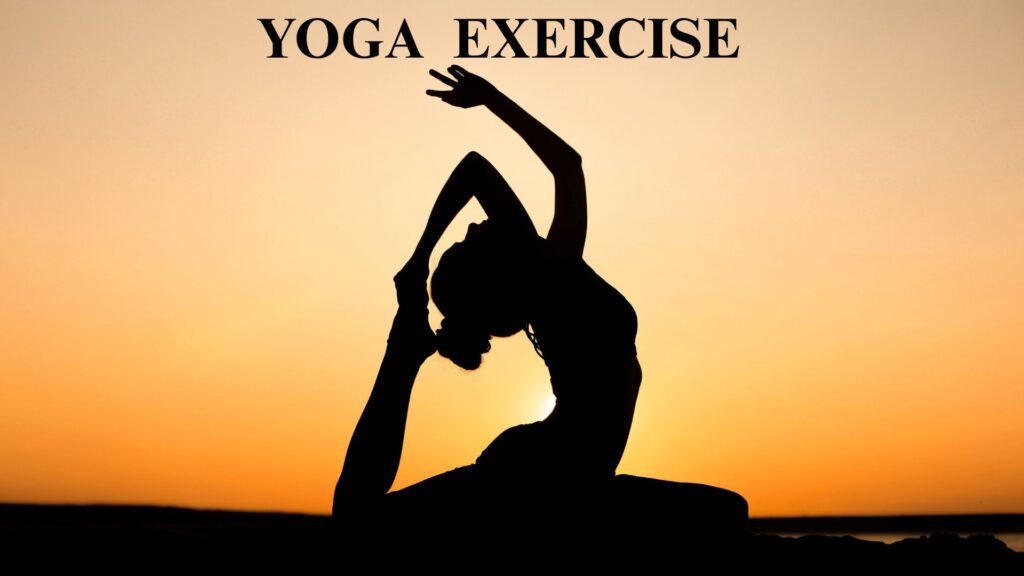
Yoga Exercise: A Complete Guide for Beginners to Transform Health & Mind What Is Yoga Exercise? Yoga exercise is a structured practice of physical postures (asanas), controlled breathing (pranayama), and mindful movement designed to improve flexibility, strength, balance, and mental well-being. It connects the body, mind, and breath, making it a holistic form of fitness that enhances both physical health and inner calm. Yoga exercises can be practiced at home, require no equipment, and are suitable for all age groups. Yoga exercise complements your daily workout by improving flexibility, balance, and recovery. Together, they build a stronger body, reduce stress, and enhance overall fitness. Benefits of Yoga Exercise Health Benefits : Improves Flexibility Builds Strength Enhances Posture Boosts Energy & Blood Circulation . Improves Digestion Supports Weight Management Strengthens the Immune System Mental Benefits : Reduces Stress & Anxiety Improves Focus & Mental Clarity Promotes Emotional Balance Enhances Sleep Quality Increases Confidence Boosts Self-Awareness & Mindfulness Types of Yoga Hatha Yoga :                                                                                                                     A slow, gentle, foundational form of yoga that focuses                            on basic postures, alignment, and deep breathing. Vinyasa Yoga :                                                                                                              A dynamic, flow-based yoga practice where movements                       follow the rhythm of your breath. Each pose transitions                          smoothly into the next. Ashtanga Yoga :                                                                                                             A structured and intense style that follows a fixed                                  sequence of poses performed in the same order every                            session. Power Yoga :                                                                                                                 A modern, fitness-based version of Vinyasa yoga with                          faster movements and more advanced poses.  Yin Yoga :                                                                                                                     A slow, deep-stretching yoga style where poses are held                        for 2–5 minutes to target connective tissues. Restorative Yoga :                                                                                                      A healing practice using props like bolsters and                                     blankets  to support the body while holding gentle poses. Iyengar Yoga :                                                                                                                A detail-oriented style that focuses on perfect body                               alignment using props such as blocks and straps. Bikram Yoga (Hot Yoga) :                                                                                                  A series of 26 intense postures practiced in a heated                              room (around 40°C) to increase sweat and flexibility. Kundalini Yoga :                                                                                                      A spiritual form of yoga that combines movement, chanting,                  breathing, and meditation to awaken internal energy. Prenatal Yoga :                                                                           

home vs gym workout
Uncategorized

Home Workout vs Gym: Best Choice for Your Fitness Goals

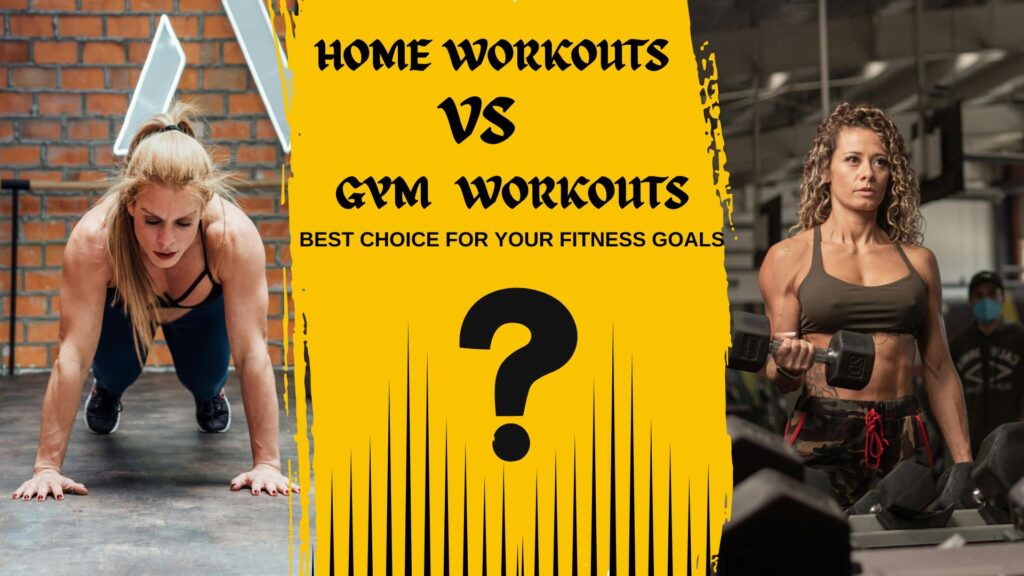
Home Workout vs Gym Workout — What to Choose? Choosing between exercising at home or hitting the gym is one of the most common questions for fitness beginners and even experienced lifters. In this guide, we break down home workout vs gym in a clear, practical, and easy-to-understand way so you can choose the best option for your lifestyle and fitness goals. Home Workout vs Gym Workout — Why Home Workout Is the Better Choice For many people choosing between exercising at home or going to the gym feels confusing. However, when we look closely at home workout vs gym, home workouts clearly offer more flexibility, comfort, and long-term sustainability. Whether you’re a beginner or someone restarting your fitness journey, training at home often becomes the most practical and effective option.                                                                                                                                                               HOME WORKOUTS :                                              A home workout is a fitness routine performed at home using bodyweight exercises, basic equipment, or even no equipment at all. These workouts can include strength training, cardio, yoga, pilates, HIIT, mobility exercises, and stretching.                           HOME WORKOUTS ARE SUITABLE FOR : Beginners  Busy people  Students  Parents  Weight loss goals  Staying active at home Benefits of Home Workouts Zero Travel, Zero Excuses                                                                                                                                                   One of the biggest barriers to fitness is travel time.                                With home workouts, you don’t need to commute, pack a bag, or                                    wait for equipment. Just roll out your mat and get started.                                 This boosts consistency — and consistency brings results. No Equipment Needed                             Unlike gym workouts that rely on machines, home training focuses on                             natural body movements.You can use your own bodyweight: push-ups,                              squats, jumping jacks lunges, planks, etc  Extremely Cost-Effective                         No membership fees, no trainers required unless you choose online                                  coaching.  Comfortable & Private                                   Many people feel shy or distracted while working out at the gym.                                  At home, you get complete privacy —   no crowd, no waiting for                                           machines, no judgment.                                    This improves focus and makes workouts more enjoyable. Perfect for Beginners                                                                                                                                                        The gym can feel intimidating, especially for new joiners.                                   With home workouts, you can train comfortably at your own                                pace, follow guided routines, and learn proper form without pressure .  Improves Strength & Endurance                         Bodyweight training builds core strength, mobility, stamina, and muscle                          tone.  Great for Weight Loss                              HIIT, cardio circuits, and fast-paced routines burn calories quickly.  Safe & Injury-Free (When Done Correctly)                                     With proper form and warm-up, home workouts are safe for all                                               ages.Home workouts help you stay healthy while staying fit.   Home Workout vs Gym Workout Results  A well-planned home routine delivered consistently can match or even beat gym . Home workouts build functional strength HIIT burns fat faster than traditional machines Daily movement is easier when you train at home You stay consistent

hiit workout
Uncategorized

HIIT Workout at home

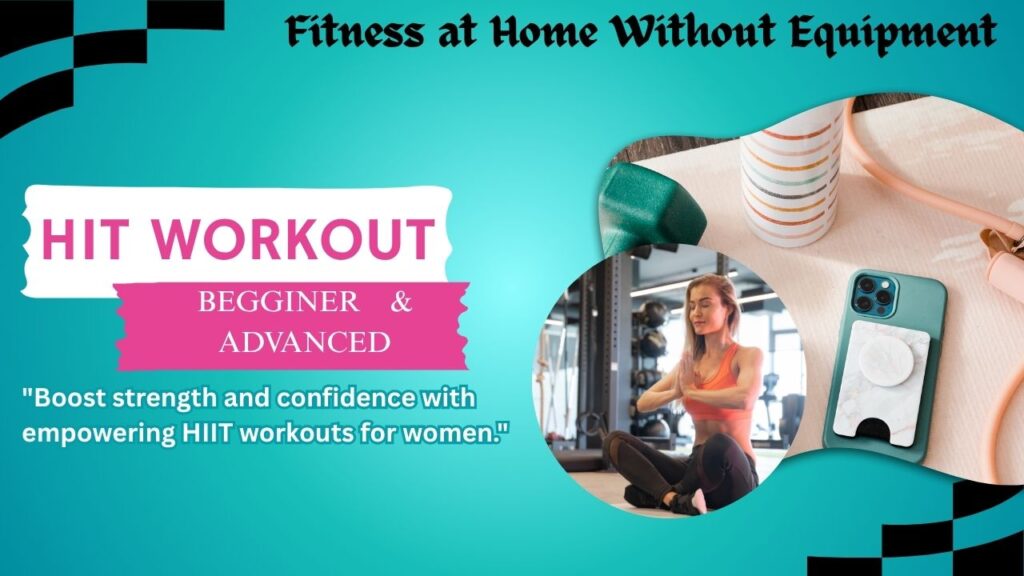
HIIT Workout at Home: The Fastest Way to Get Fit Without Equipment If you want a quick, effective, and energy-boosting routine, a HIIT Workout at Home is one of the best ways to improve fitness without any equipment. HIIT—High-Intensity Interval Training—works by combining short bursts of effort with short recovery periods. This simple formula helps you burn more calories in less time and keeps your heart rate elevated for maximum fat burn. What Is HIIT? HIIT—High-Intensity Interval Training—is a workout style that combines short bursts of intense exercise with brief rest periods.It boosts your heart rate quickly, burns calories faster than regular cardio, and keeps your metabolism elevated long after the workout ends. Why HIIT Workout at Home Is So Effective ? If you want maximum results in minimum time, HIIT is the perfect choice. Burns Fat FasterHIIT :    Increases calorie burn during and after the session—thanks to the afterburn effect (EPOC).  No Equipment Required  :   Perfect for home fitness, small spaces, or simple daily workouts. Time Efficient  :  You can complete a powerful fat-burning routine in 10–. Beginner-Friendly & Adjustable20 minutes. . Beginner-Friendly & Adjustable  : You can adjust speed, intensity, and rest according to your comfort level. . Boosts Stamina & Strength  :    Improves heart health, muscular endurance, and overall fitness. HIIT vs. Traditional Cardio: Which Is Better? High-Intensity Interval Training Burpees High Knees Mountain Climbers Jumping Jacks Plank Jacks Sprint in Place Squat Jumps   Traditional Workouts Walking Jogging Cycling Swimming Yoga Pilates Brisk Walking Who should avoid HIIT ? HIIT is safe for most people, but may not be ideal for those with: Heart conditions Recent injuries Joint pain   Tips for getting the most out of HIIT Warm up before every session to reduce injury risk Push hard during work intervals—HIIT is intensity-driven Maintain proper form, especially during strength movements Track your progress (time, reps, weights) Stay consistent—small sessions, big results HIIT Workouts: Beginner vs Advanced BEGINNER Work 30 sec → Rest 15 sec 1. Jumping jacks 2. Squats 3. High knees 4. Mountain climbers 5. Push-ups  Rounds – 3 ADVANCED Work 40 sec → Rest 20 sec 1. Kettlebell swings 2. Burpees 3. Dumbbell thrusters 4. Box jumps 5. Renegade rows  Rounds -4 Conclusion A HIIT workout at home is a powerful way to improve your fitness using short, focused bursts of movement that challenge your whole body. It boosts your heart health, builds strength, and increases energy levels—without needing equipment or a large space. Whether you’re just starting or already active, HIIT adapts easily to your pace while still delivering fast progress. Its time-efficient structure makes it perfect for busy lifestyles and helps you stay consistent with your goals. Start your HIIT workout at home today and take control of your health—strong results begin with your first step with Fitness at Home without equipment Can beginners do HIIT at home? Absolutely. Beginners can start with low-impact moves (marching, slow squats, step-back lunges) and longer rest periods. Gradually increase intensity as your stamina improves. Do I need warm-up before a HIIT home workout? Yes. A 3–5 minute warm-up improves performance and prevents injury. Examples: arm circles, leg swings, jogging in place, hip rotations. What should I eat before a HIIT workout at home? Eat light, fast-digesting foods like: Banana , Peanut butter toast , Oats , Fruit smoothie                     Avoid heavy meals. What should I eat after a HIIT workout? Combine protein + carbs to help recovery: Eggs , Protein shake , Yogurt + fruits , Paneer bowl Is HIIT safe for everyone? HIIT is safe for most people, but those with heart issues, injuries, or medical conditions should consult a doctor first. Beginners must start slow.

no gym workouts
Uncategorized

Zero Equipment , Maximum Results : The Home Fitness Secret

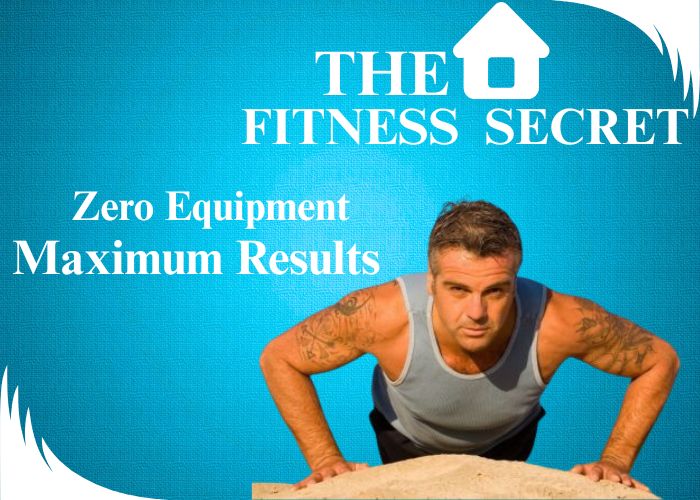
Fitness at Home Without Equipment – No gym workouts | Who says you need fancy gym machines to get fit ? No gym workouts  prove that your body  alone is the most powerful fitness toll you will ever need. These workouts use bodyweigth movements like push-ups , squats ,planks , lunges to build strength , burn fat and improve endurance- all from the comfort of your home.Whether you are a beginner starting your fitness journey or an experienced athlete looking for flexibility , zero equipment training fits every level. With the right mindset, consistency, and bodyweight exercises, you can achieve incredible fitness results right at home. This is the home fitness secret that’s transforming thousands of lives — zero equipment, maximum results. The best part – You can exercise anywhere-just results. Beyond physical benefits ,these workouts also boosts mental focus , energy and confidence ,making fitness a suitable part of your lifestyle . If you want  to tone your body , increase stamina and save time. Fitness At Home Without Equipment are the perfect solution to achieve maximum results with minimal resources.   Why choose No Gym Workouts ? The concept of home workouts without equipment has gained huge popularity — and for good reason. These routines are simple, effective, and convenient. You can start anytime, anywhere, and they suit every fitness level, from beginners to advanced athletes. Here’s why zero-equipment fitness is the smarter choice: No Cost, No Excuses Time-Saving Flexibility & Freedom Improves Functional Strength Suitable for All Levels Top Zero-Equipment Exercises for Full-Body Transformation                                                      1. Full-Body Exercise :                                                                                      Jumping Jacks: A great way to warm up and get your blood flowing. Improves stamina and coordination. Burpees: A complete movement that builds strength, burns fat, and enhances endurance. Mountain Climbers: Excellent for your core, shoulders, and legs while keeping your heart rate high. Plank Jumps: Great for the abs and overall stability.                                                    2. Upper Body Workouts Push-Ups: Strengthen your chest, arms, and shoulders. Modify with knee push-ups if you’re a beginner. Triceps Dips: Use a chair or low table to tone the arms and improve upper body strength. Shoulder Taps: Strengthen the shoulders and core while improving balance.                                                   3. Lower Body Workouts Squats: The ultimate leg exercise — builds quads, glutes, and hamstrings. Lunges: Improves balance and tones your legs. Glute Bridges: Activates your glutes and strengthens your lower back. Calf Raises: Enhances ankle stability and calf definition.                                                      4. Core Workouts Plank: The king of core exercises — builds strength and endurance. Bicycle Crunches: Targets the obliques and abs effectively. Leg Raises: Strengthens lower abs and improves flexibility. Russian Twists: Engages the entire core and improves stability.   Begginer Friendly Routine Warm-Up (5 Minutes)  Arm circles -30 second Jumping jacks- 1 minute High knees-1 minute Body twists-1 minute Shoulder rolls-1 minute Main Workouts(15 minutes) Perform 3 rounds with 60 seconds of rest between each: 15 Squats 10 Push-ups 20 Mountain climbers 15 Lunges 20 second Plank hold Cool Down(5 minute) Slow Jogging Breathing & Relaxing Benefits Convenience: Train anytime, anywhere — no travel or waiting for equipment. Cost-Effective: Save money by skipping gym memberships and fancy gear. Time-Efficient: Short, effective sessions fit easily into your daily routine. Beginner-Friendly: Perfect for all fitness levels using just your body weight. Improves Consistency: No excuses — your workout space is always available. Full-Body Results: Builds strength, endurance, and flexibility with natural movements. Stress-Free Environment: Exercise comfortably at home without pressure or crowds. Boosts Motivation: See real progress with simple, consistent effort. Conclusion No gym workouts give you the power to transform your body anytime, anywhere. You don’t need machines — your body is your best tool. With simple home workouts and diet plans you can stay fit, strong, and confident without stepping into a gym. Every move counts, every day matters — what truly builds results is consistency and determination. Turn your home into your fitness zone, stay active, and prove that no gym, no excuses — just results. What is the fastest way to get fit at home ? The fastest way to get fit at home is to follow a consistent workouts , a balanced protein-rich diet, stay hydrated, and get enough rest. Consistency is key — even 20–30 minutes daily can transform your fitness. What is the 3-3-3 workout routine ? The 3-3-3 workout routine is a simple and effective fitness method designed to build strength and endurance in less time. It typically means: 3 exercises (targeting different muscle groups) For example: Push-ups (upper body) Squats (lower body) Plank (core) Are 20 minutes home workout effective ? Yes, 20-minute home workouts can be very effective — if you stay consistent and push yourself during that time. The key is intensity over duration — focus on giving your best effort for those 20 minutes daily.

Scroll to Top